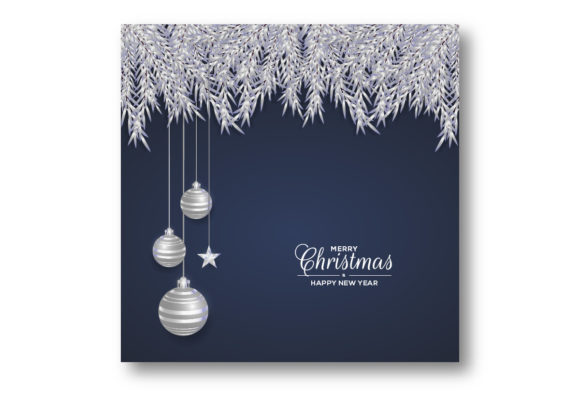
A Graphic Designer’s Review of a Christmas Ornament Background
When a graphic template lands in my inbox, my first question isn’t just "Is it pretty?" It’s "Will it work?" As a blog designer and digital publisher, I’m reviewing assets for real-world use: featured images that must grab attention, Pinterest pins that need to convert, newsletter headers that build trust. Today, I’m looking at a specific graphic design asset: a Christmas background with ornaments.
The First Editorial Impression: Mood, Niche, and Perception
Opening the file, the immediate impression is one of elegant festivity. A dark background provides a rich, dramatic canvas, setting a stage for the realistic pine leaves and the clusters of white, blue, and red ornament balls. This isn’t a playful, cartoonish holiday scene. It feels sophisticated, artistic, and distinctly lifestyle-focused. The mood it creates is warm yet polished, decorative yet clean. It naturally supports content niches around holiday lifestyle, gift guides, festive recipes, home decor, and seasonal affiliate marketing. For a blogger or content creator in these spaces, this asset immediately elevates the perceived quality of your page. Readers subconsciously assign more trust to content that looks professionally presented, and this design provides that foundation.
Real Publishing Workflows: Where This Banner Works
Let’s walk through a real publishing week. Imagine you’re preparing a holiday gift guide eBook, a series of blog posts on Christmas traditions, and a social media campaign. This Christmas banner with decoration balls becomes a versatile core asset.
- Blog Featured Images & Article Headers: As a hero image, it creates a strong visual hierarchy. The dark backdrop makes headline text pop, directing the reader’s eye immediately.
- Pinterest Graphics & Social Media Banners: For Pinterest pins and social media graphics, this composition is clickable. The realistic elements and color contrast stand out in a crowded feed, improving potential click-through rates.
- Digital Products & Lead Magnets: Use it as a cover for your digital guide, worksheet, or printable design. It signals a quality, seasonal download, enhancing your content marketing.
- Website Banners & Newsletter Headers: A consistent visual identity across your site and emails builds brand recognition. This banner can serve as a seasonal category visual or newsletter header, making your content feel cohesive.
- Canva Templates & Editorial Accents: Imported into Canva, it becomes a base for countless derivatives: Instagram story graphics, digital ad visuals, affiliate content thumbnails. It’s a single graphic design asset that fuels an entire campaign.
Supporting Content Performance: Beyond Decoration
A good design asset isn't just decoration; it’s a performance tool. Here’s how this Christmas background supports key publishing goals:
- Stronger First Impression: It halts the scroll. A visitor knows instantly this is dedicated, curated holiday content.
- Better Click-Through Potential: On social media or in email, a polished graphic is more enticing than a plain text link.
- More Consistent Branding: Using the same core visual across blog graphics, downloadable resources, and media kits creates a professional, intentional look.
- Improved Reader Trust: Quality visual communication suggests quality content, encouraging readers to stay, read, and engage.
- Stronger Visual Identity: For a small business or creative entrepreneur, this can become a signature seasonal element of their commercial design.
Optimal Use Cases for Maximum Impact
In my experience, this asset shines brightest in certain applications. Prioritize these in your workflow:
- Hero Images: Full-width banners at the top of posts or pages.
- Article Thumbnails & Blog Graphics: Smaller cropped versions for category pages or related post listings.
- Pinterest Pins: Vertical compositions focusing on the ornament clusters.
- Content Upgrades & Downloadable Resources: Covers for PDFs, eBooks, or digital product bundles.
- Newsletter Headers & Social Media Previews: Ensuring your email and shared links look attractive.
Publisher Notes: Practical Considerations for Professional Use
Before you hit publish, some practical checks are essential. This is the part where experience saves you from rookie mistakes.
Test Rigorously: Always preview this Christmas banner on desktop and mobile screens. Check how it looks as a tiny thumbnail—do the key elements still read? Place it inside a real blog layout with your headline overlay. Test the contrast and readability with different font styles: try a clean sans serif for a modern look, a serif for traditional elegance, or even a script font for a personal touch. Ensure text placed over the leaves and balls remains clear.
Web Performance: Review the file size. Large, uncompressed images slow down your site, hurting SEO and user experience. Compress it properly for web use.
Commercial Licensing: If you’re using this on monetized websites, affiliate pages, or paid content products, always confirm the commercial license terms of the graphic template. This is non-negotiable for professional digital publishing.
Where to Use with Care: Context Matters
Even great assets have boundaries. This Christmas background, with its decorative detail, should be used carefully in a few scenarios:
- Very Small Mobile Thumbnails: The intricate leaves and balls may become a muddy blur if scaled down excessively.
- Text-Heavy Blog Images: If you need to overlay paragraphs of text, the busy background could compromise readability.
- Serious Professional Niches: For corporate or highly formal content, the decorative festive mood might feel incongruent.
- Minimalist Visual Systems: If your site’s aesthetic is ultra-clean and sparse, this rich background might dominate rather than complement.
Ultimately, this Christmas background with ornament balls is more than a holiday graphic. It’s a web design and editorial design tool. For bloggers, digital marketers, and content creators, it provides a ready-made solution for visual communication during the busiest publishing season. It helps transform your ideas into content that looks polished, clickable, and trustworthy—the holy trinity of successful online publishing. When used thoughtfully, within the right context, it elevates your entire content operation, letting you focus on what matters most: creating great work that resonates.