A Hands-On Review of the '24 Gears' Embroidery Design Set
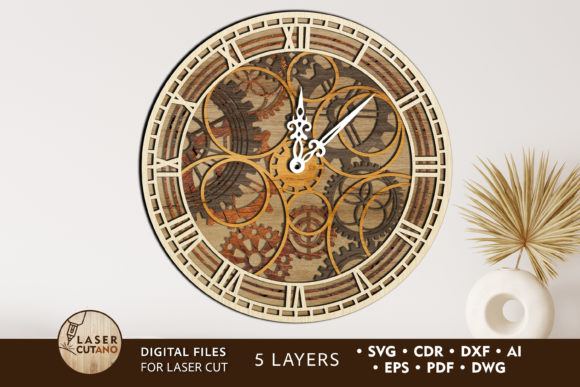
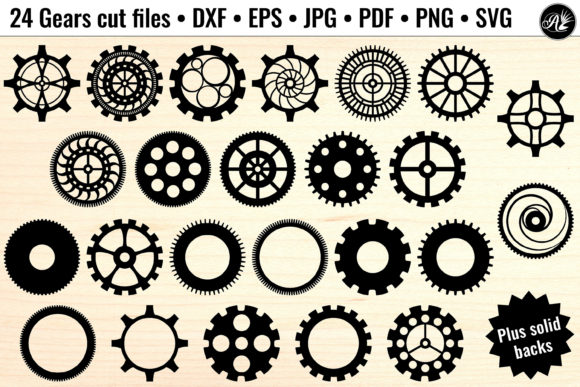
When a new design set lands on my desktop, my first question isn’t about file formats or size. It’s about personality. What mood does this bring to a project? How will it stitch out? The ‘24 Gears’ collection, with its range from basic to elaborate mechanical motifs, immediately struck me as a set with solid, industrial character. It’s not whimsical or floral; it’s grounded, structured, and has a tactile, engineering charm. This isn’t just a design; it’s a theme that tells a story of craftsmanship and mechanics, which is a fantastic angle for a certain type of handmade product.
The Perfect Project Fit: Where These Gears Really Turn
I picture these designs on a custom embroidered tote bag for a maker’s workshop, or a heavy-duty apron for someone who loves to tinker. They’d look equally striking on a minimalist, high-quality sweatshirt for a boutique aiming for a modern, skilled aesthetic. The variety—from simple outlines to more intricate, filled gear designs—means you can match the complexity to the fabric. A dense, detailed gear might be perfect for a sturdy pillow cover, while a cleaner, open gear outline could be ideal for a baby’s romper if you’re crafting for a family that loves DIY and repair. The theme lends itself wonderfully to personalized gifts for engineers, mechanics, woodworkers, or simply anyone who appreciates functional beauty.
Navigating Real Embroidery with Mechanical Motifs
In practical embroidery, these geometric shapes are generally a friend. Their defined lines and consistent curves often translate well into satin stitch borders and clean fill stitch areas. However, that ‘elaborate’ end of the spectrum demands attention. On thinner fabrics like standard t-shirts or some baby knits, a very dense gear design with lots of internal detail could lead to stiffness or puckering. Always, always test on scrap fabric first. For caps or curved surfaces, the simpler gears from the set are your safest bet, as the distortion on a curved seam can warp intricate circular details.
A crucial note for visual appeal: thread color contrast is key here. These designs rely on clarity. On dark fabric, a bright, metallic, or stark white thread can make the gears pop with a professional, high-value feel. On light fabric, consider darker, richer tones. This clarity directly impacts customer trust—a crisp, well-executed geometric design looks precise and skilled, elevating the perceived quality of your handmade product or small shop merchandise.
Spots for Caution: Where to Apply Careful Pressure
While versatile, ‘24 Gears’ requires thoughtful application in a few scenarios. If you’re working with very textured fabrics like some blanket materials or heavy linens, the finer lines in the more elaborate gears might get lost. Similarly, on stretchy fabrics, ensure you’re using adequate stabilizer to maintain the perfect circles; a warped gear loses its iconic identity. I’d advise against using the most complex designs in very small hoop sizes. The detail needs space to breathe and stitch out cleanly. Always inspect the small details in your software preview—those tiny teeth and inner circles need to be defined enough for your machine to interpret them clearly.
For products destined for frequent washing, like kitchen towels or everyday apparel, consider using the simpler, less dense versions. Less stitch density means the fabric remains more flexible and durable under repeated stress. This practical consideration is what separates a hobby project from a sellable, commercial embroidery product that lasts.
From Digital File to Finished Product: A Designer's Checklist
As an embroidery file set provided in multiple formats, the utility for digital product sellers and craft businesses is clear. You can create printable mockups with the JPG or PNG, while the SVG and DXF files are invaluable for other craft applications like laser cutting, which fits the noted product category. But for our embroidery world, here’s my pre-project checklist:
- Run a test stitch on your actual project fabric, or a close match. Check for any thread buildup in tight corners.
- Review the design in both a black and white mockup and your actual thread color choices. How does it look on both light and dark backgrounds?
- Confirm your hoop size can accommodate the design at its intended size—the note says the files are 12” at the widest point, so you have a good scaling reference.
- Use proper stabilizer for your fabric type. This is non-negotiable for geometric precision.
- If you’re selling the finished embroidered product or using it for boutique branding, explicitly confirm the licensing terms for the digital embroidery file. Don’t assume.
This set, with its industrial vibe, can create fantastic brand consistency for a maker-focused business. Imagine a series of embroidered patches for a tool roll, or a cohesive line of gear-embellished caps and tees for a small automotive shop. The giftability is specific but powerful—it speaks directly to a niche audience.
The Final Stitch: Practical Value for Creative Entrepreneurs
The ‘24 Gears’ collection isn’t a generic floral set. It’s a thematic toolbox. Its value lies in its focused mood and the practical range from basic to elaborate. For an Etsy seller specializing in gifts for men, or an apparel decorator working with a tech-focused brand, this set provides ready-made design assets that feel deliberate and professional. The key to success is matching the right gear complexity to the right embroidery project. Use the simpler ones for delicate items and curved surfaces, leverage the intricate ones for bold statements on sturdy goods. That’s the kind of practical judgment that turns a digital file into a beloved finished product, a personalized gift that feels uniquely thoughtful, or a commercial embroidery project that builds a recognizable brand. It’s a solid set—just apply your craft wisely.