Ancient Mask Logo: A Designer's Take on Real-World Embroidery
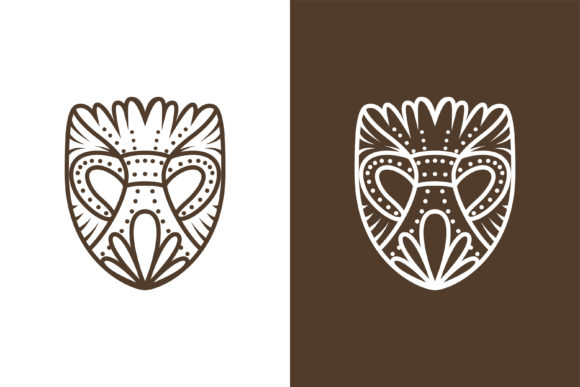
When a new design lands on my desktop, my first thought is always about the fabric. How will this look once it’s translated from pixels to stitches? The Ancient Mask Logo presents itself as a shield-shaped icon, a flat graphic in brown and white. It’s a logo, a graphic asset, but my job is to see it as a physical object. Before I ever run a file, I’m mentally hooping a tea towel or laying out a tote bag, imagining the final product in my hands.
The Immediate Mood and Potential Projects
The Ancient Mask Logo has a distinct, grounded personality. The shield shape conveys a sense of heritage, protection, and tradition, while the mask motif within it suggests storytelling and artistry. The combination of brown and white feels earthy and clean, avoiding stark contrast. This isn’t a loud, flashy design; it’s confident and quiet. My instinct is that this wouldn’t work on a vibrant, party-style t-shirt, but it would be perfect for a project that values a sense of authenticity.
I immediately picture it on a natural canvas tote bag for a small ceramics studio, or as a subtle chest logo on a linen apron for a boutique coffee shop. It has that ‘crafted’ feel. For personalized gifts, like a wedding present for a couple who loves history, embroidered onto a pillow cover, it would carry a meaningful weight. As an Etsy seller creating branded merchandise for a history podcast or a fantasy book author, this logo could become a core part of their visual identity on sweatshirts or patches.
Performance on Real Products: Where It Thrives and Where to Be Careful
Let’s talk application. The flat color and likely solid shapes mean this embroidery design should translate well to satin stitches for borders and fill stitches for the larger areas. The high-resolution file is promising for clarity, but the real test is in the stitch density and detail size. For a standard project like a cotton kitchen towel or a baby’s blanket bib, I expect it to stitch out cleanly, provided a good stabilizer is used.
I’m thinking about a custom sweatshirt—a popular item for small shops. On a medium-weight fleece, the brown and white threads should pop nicely, but I’d absolutely test the thread color contrast first. That specific brown might need to be adjusted if the sweatshirt is a heather grey, not a pure white. The shield shape, being fairly bold, would hold up well on curved surfaces like caps, though the detailed corners of the mask design itself would need scrutiny in a smaller hoop size.
There are places I’d use this design carefully. On very thin or stretchy fabric, the solid fill areas could potentially cause puckering if the stitch density is too high—a scrap fabric test is non-negotiable here. Also, on dark fabric backgrounds, the white elements will shine, but the brown might get lost; sometimes a shift to a lighter tan thread can preserve the design’s intent. For products destined for frequent washing, like apparel, the integrity of those filled areas is key to long-term durability.
A Specific Scenario: The Boutique Tea Towel
Imagine you’re preparing a line of tea towels for a holiday market. You want them to feel special, handmade, and giftable. The Ancient Mask Logo, positioned neatly in a corner, could elevate a simple towel into a narrative piece. It suggests a family crest, a guild symbol. A customer picking it up isn’t just buying a towel; they’re buying a story. This subtlety boosts perceived value and engages a buyer looking for something beyond generic. For your craft business, it adds a layer of professionalism and brand consistency if this logo aligns with your shop’s theme.
The Practical Designer’s Checklist Before Stitching
Never assume. Before I commit this to a client’s order or my own shop inventory, here’s my mental rundown.
- Test on Scrap Fabric: Always. Use the same fabric and stabilizer you intend for the final product. This reveals everything about tension and density.
- Check Color on Backgrounds: Run a visual test in black and white mockups. How does it look on a dark apron versus a light pillow cover? You might need two slightly different thread palettes.
- Inspect the Details: Zoom in. Are there any tiny lines or corners in the mask details that might become a messy blob of thread in a 4-inch hoop? Sometimes simplifying a digital detail for embroidery is wise.
- Confirm the Licensing: The description says it’s a template design. This is crucial. Is it for personal use only, or does it include commercial embroidery rights? Never sell finished items or use it in digital product previews for your own shop without clear permission.
- Consider the Final Product’s Life: If this is for a baby’s nursery decor item, the soft, earthy tones are perfect. If it’s for a work apron, will the colors show dirt easily? Practicality matters.
Final Impression: A Design with Purpose
The Ancient Mask Logo isn’t a generic graphic. It has a mood and a purpose. In the hands of an embroidery designer, it becomes a tool for creating products with character. For the small business owner, it can be a branding asset that feels handmade and trustworthy. For the crafter making a personalized gift, it offers a symbol with depth.
Its success hinges on treating it as a physical component, not just a digital file. Match it to the right project—the textured canvas tote, the linen pillow, the soft cotton cap for a maker’s market. Manage its application on tricky fabrics with forethought and testing. When done right, this logo will stitch out into something that feels considered and authentic, which is exactly what customers for handmade products are looking for.