From Corn Kernel to Client: A Designer’s Thanksgiving Embroidery Review
First Impression: A Harvest Celebration Waiting for Thread
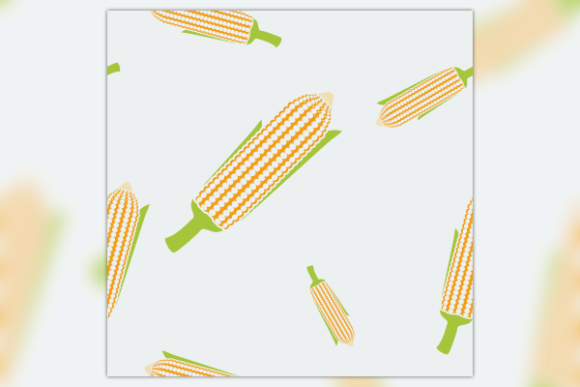
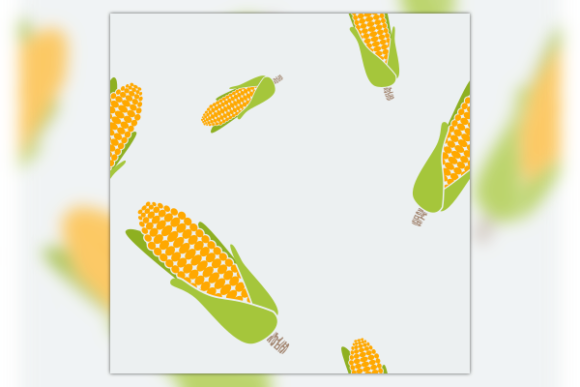
When I open Thanksgiving Corns Seamless Pattern, my first thought isn’t about the file itself. It’s about the mood it instantly creates. This flat-style illustration, with its corn cobs in various positions, feels friendly, rustic, and genuinely celebratory. It’s not overly fussy or ornate, which is a huge win for embroidery. The shapes are clear, the layout as a seamless pattern suggests endless possibilities, and the visual personality is warm and approachable. This isn’t a stiff, formal graphic; it’s a design that belongs on something meant to be used, cherished, and given.
As a seamless pattern, it naturally lends itself to backgrounds and fills. For us in the embroidery world, that translates beautifully into larger statement pieces. I immediately picture it on the front of a generous apron, the border of a cozy pillow cover, or as the focal print on a kitchen towel set. The theme is unmistakably Thanksgiving, but the flat, illustrative style keeps it from being kitschy. It feels modern enough for a boutique product yet traditional enough for a heartfelt, personalized gift.
The Real-World Stitch Test: Where This Pattern Performs
Let’s talk practical application. I’m imagining a real-life scenario: preparing a batch of custom embroidered tote bags for a small shop’s holiday market. Using Thanksgiving Corns Seamless Pattern as a machine embroidery design, the seamless nature means I can scale a section of it to fit the bag’s panel perfectly, creating a full, rich background of corn motifs without awkward empty edges.
The vector nature of the file is key here. For embroidery, this means I can adjust the scale without losing clarity, which is crucial when matching different hoop sizes or product dimensions. This pattern would shine on:
- Custom apparel like sweatshirts and t-shirts, where a larger, all-over design adds value.
- Home goods such as pillow covers, tea towels, and blankets, where a repeating pattern feels intentional and decorative.
- Giftable items like baby bibs or nursery decor pieces, where the friendly theme and seamless repeat create a cohesive, handmade presentation.
- Small business merchandise for Etsy listings or craft fairs, particularly on tote bags, aprons, or caps where the design can be centered as a bold feature.
In terms of stitching clarity, the flat style with distinct shapes is a good sign. The areas that would become fill stitch or satin stitch sections appear well-defined, which should translate into clean embroidery with good visual separation between elements. This builds customer trust and professionalism in the finished product.
Where to Use with Care
No design is universally perfect, and a practical review must note where attention is needed. The charm of Thanksgiving Corns Seamless Pattern lies in its detail and repetition. However, on very small hoop sizes, the intricate details of the corn kernels and husks might become too dense, risking muddled stitching. On highly textured fabrics like some towels, or on stretchy fabrics like t-shirts, the smaller detailed areas require careful stabilizer choice to maintain clarity.
Embroidering this on dark fabric would require a thoughtful thread color palette to ensure the design pops—the natural yellows and greens might need to be brightened. Also, applying a seamless pattern to curved surfaces like caps requires careful digitizing to adapt the flat pattern to the curve, ensuring it doesn’t distort.
The design’s value for commercial embroidery and digital product sellers is high, but always, always confirm licensing before selling finished items or using it in digital product previews. The product description suggests broad use, but a professional double-checks.
Your Essential Designer Notes
Before you load this embroidery file and start stitching for a client or your shop, here’s my on-the-job advice:
- Test on scrap fabric first. Use the same material you intend for the final product. This reveals how the stitch density handles your fabric’s texture.
- Check thread color contrast. Run a test in both light and dark background mockups. Does the design maintain its cheerful, harvest feel?
- Inspect the small details. Look closely at how the tiny elements of the corn cobs translate. Will they be clear, or do they risk blending together?
- Use proper stabilizer. For a pattern with this potential detail, the right stabilizer is non-negotiable for a crisp outcome.
- Consider its giftability. When stitching, think about the final recipient. This pattern feels personal and festive, enhancing the handmade product’s appeal as a holiday gift.
The Final Verdict: A Pattern That Adds Warmth and Value
Thanksgiving Corns Seamless Pattern is more than a graphic; it’s a design asset that, when embroidered thoughtfully, can elevate your project. It affects visual appeal by providing a cohesive, thematic foundation. It boosts product value by allowing you to create full, decorated items rather than small, isolated motifs. For creative entrepreneurs, it supports brand consistency if your niche is rustic, homegrown, or festive goods.
My confidence in this pattern for real embroidery work comes from its practical personality. It’s not overly complex, yet it’s detailed enough to feel special. It’s clearly thematic, yet its seamless nature makes it versatile. Whether you’re an apparel decorator preparing holiday sweatshirts, a crafter making embroidered patches for jackets, or a small shop owner creating a line of boutique kitchen linens, this pattern offers a solid, engaging starting point. Just remember the golden rule of professional embroidery: test, adjust, and stitch with the end user—and the washing machine—in mind. Done right, this pattern will stitch up into something that truly celebrates the season.