A Designer's Practical Look at the Rounded Cube Seamless Pattern
When a pattern file lands in my project folder, I don't just look at the preview. I think about how it will translate into thread, fabric, and a finished product that someone will actually use or buy. This evaluation of the Rounded Cube Seamless Pattern comes from that perspective: how does this graphic perform as an embroidery design in real project use?
The First Impression: Modern Geometry with a Soft Touch
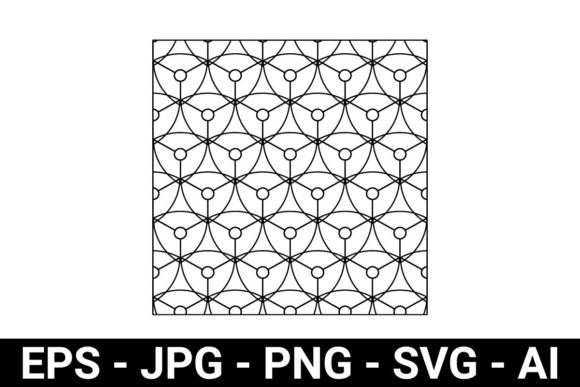
The pattern’s name tells you exactly what you’re getting: a clean, interlocking grid of rounded cubes. The rounded edges are the key. Sharp, angular polygons can feel technical or harsh in embroidery, but these softened cubes strike a balance. They feel modern, structured, and playful—not sterile. This creates a mood that’s both contemporary and approachable, perfect for projects that need a touch of orderly charm without being too cute or too rigid. It’s a versatile visual personality.
This isn't a hyper-detailed, realistic illustration. It’s a flat, outline-based polygonal pattern. For embroidery, that’s often a strength. The clarity of the shapes means they’ll hold their definition even when stitched out at a moderate size. I immediately thought this would belong naturally on custom apparel like minimalist-lifestyle sweatshirts, modern tote bags for a boutique, or as a repeating border on a pillow cover in a nursery seeking a fresh, gender-neutral decor theme.
Planning a Real Project: The Embroidered Tote Bag Scenario
Let’s walk through a common scenario. I’m considering this for a batch of embroidered tote bags for a small shop. The seamless, continuous nature of the pattern is its biggest functional asset. For a tote, I could use it as a full-panel background on the bag’s front, creating a textured, all-over design that feels intentional and professional, not like a lonely, floating graphic.
I’d likely use a satin stitch for the cube outlines and a lighter fill stitch or even leave the interiors open for the negative space, depending on the fabric weight. The symmetrical, grid layout means the pattern will align cleanly, which matters for brand consistency across multiple products. A customer seeing this on a tote, then later on a matching apron or tea towel, would recognize the cohesive aesthetic—that builds customer trust and brand recognition.
How would it stitch out? The rounded corners are my main focus. In embroidery, tiny, sharp inside corners can be tricky, requiring precise stitching or even manual trimming. These generous curves should stitch smoothly, maintaining the shape without pulling or distortion. That’s a practical win for durability, especially on a tote bag that will be used and washed.
Where This Pattern Finds Its Natural Home
The Rounded Cube Seamless Pattern lends itself to products that benefit from a repetitive, decorative background. Think of it as a wallpaper for your product.
- Apparel Decor: Full-back designs on sweatshirts, all-over patterns on baby rompers, or sleeve accents on t-shirts.
- Home Goods: Continuous borders on blanket edges, centered panels on pillow covers, or repetitive motifs on kitchen towels.
- Small Shop Merchandise: As a signature pattern for a line of handmade products—from embroidered patches to caps—creating a recognizable collection for your Etsy listings or craft fair table.
- Gift Items: Its modern yet friendly vibe makes it suitable for wedding gifts, holiday gifts, or personalized products where you want a design that feels considered and current.
Caution Areas: Where to Pay Extra Attention
No design is universally perfect for every application. Here’s where I’d proceed carefully with this pattern.
The pattern’s strength—its seamless repetition—can become a challenge on small items or curved surfaces like caps. On a cap’s front panel, a large, endless pattern might not fit the confined area gracefully, potentially getting cut off awkwardly. It might need to be adapted or used as a smaller, isolated cluster.
On textured fabrics or stretchy fabric like certain tees, the clean lines could lose clarity if not stabilized properly. Always use proper stabilizer.
For dark fabric, the outlined nature means you’ll need good thread color contrast. A light thread on dark fabric will make the cubes pop, but a dark thread on dark fabric might render the design invisible. This pattern likely relies on contrast to be effective.
The most critical note: test the design on scrap fabric first. Especially check the stitch density in the filled areas if you choose to fill the cubes. High density on lightweight fabric can lead to puckering. Also, inspect how the smallest rounded corners stitch out at your intended hoop size. Does the detail hold up? A test run is non-negotiable for professionalism and ensuring stitching clarity.
The Impact on Your Business and Craft
Using a well-executed, versatile pattern like this elevates your work. It shows you’ve chosen a design with intentionality, which enhances the handmade presentation and perceived product value. For a digital product seller, including this in a printable mockup for an embroidery project preview can attract customers looking for modern, usable design assets.
It supports giftability—a gift feels more special when the design is unique and stylish, not generic. For commercial embroidery projects, such as a corporate gift line, this pattern offers a geometric, brand-friendly option that isn’t overly casual.
However, a key practical step for any craft business: confirm licensing before selling finished items or digital products. The provided file formats—AI, EPS, SVG, JPG, PNG—are excellent for flexibility, allowing scaling and adaptation for embroidery software. But the license terms are not detailed here. You must verify your rights for commercial use.
Final Designer Notes Before You Hoop It Up
My judgment as a reviewer who stitches things out: the Rounded Cube Seamless Pattern is a strong, versatile candidate for many projects. Its rounded edges are embroidery-friendly, and its endless repeat offers creative layout options.
- Always test on both light and dark fabric scraps to judge contrast and density.
- Consider using it in black and white mockups to see its form without color influence.
- For small items like baby clothes or patches, isolate a segment of the pattern rather than trying to force the full seamless flow.
- Match your thread choice to the product’s lifestyle—brights for playful items, neutrals for modern-minimalist goods.
- Remember, the beauty of a seamless pattern in embroidery is its ability to create a larger, cohesive look even from a relatively simple motif.
Approach it not just as a graphic, but as a potential texture made of thread. With practical testing and thoughtful application, this pattern can become a reliable, stylish asset in your embroidery toolkit, helping you create products that feel contemporary, cohesive, and crafted with care.