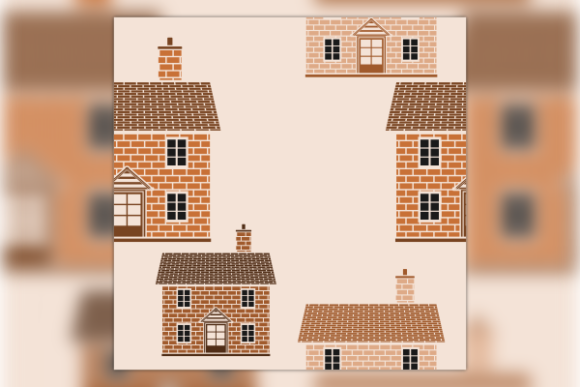
Evaluating the Simple English House Seamless Pattern for Embroidery
When a design file lands in my queue, my first question isn't just about its aesthetics—it’s about its viability in the real world of stitching, hoops, and fabric. Today, I’m looking at the Simple English House Seamless Pattern, an editable SVG vector, with the eyes of someone who needs to translate a digital graphic into a tangible, stitched product that a customer will love. This isn’t a gallery piece; it’s a potential asset for your next embroidered patch, custom apparel order, or shop merchandise.
The Immediate Charm and Practical Personality
The first impression is one of quiet, traditional charm. The illustration style is indeed simple, with clean lines and a consistent, repeating layout that forms a seamless background. This creates a mood that’s cozy, familiar, and slightly nostalgic—perfect for projects that aim for a handmade, heartfelt feel rather than bold, modern statements. The detail level is balanced; it’s not overly intricate, which is a significant advantage for machine embroidery design. Too many tiny details can become a muddy mess of thread, but here, the shapes are clear and distinct, promising good stitching clarity.
This pattern naturally belongs to projects where a gentle, decorative background is needed. Imagine it as the border on a linen kitchen towel, the all-over pattern on a cotton baby blanket, or the subtle branding on a small shop’s apron. Its personality leans towards giftable, everyday items rather than high-fashion statement pieces.
Where This Pattern Finds Its True Home
Let’s walk through a real scenario. A client requests a set of personalized gifts for a housewarming party: embroidered pillow covers and a set of tea towels. They want something that evokes "home." This Simple English House Seamless Pattern jumps to mind immediately. As an editable SVG, I can adjust the scale to fit the pillow’s center panel perfectly. On a towel, using a single row of the repeating houses along the hem creates a lovely, custom accent.
For craft business owners, this pattern is a versatile design asset. It could form the background of an embroidered patch for a tote bag, adding depth without overwhelming a main logo. On a sweatshirt embroidery project, a smaller, scaled-down version across the chest or sleeve offers a textured, crafted look that elevates a simple garment. In baby embroidery, perhaps on the corner of a burp cloth or a nursery decor pillow, the pattern feels sweet and safe.
Its seamless nature means it can expand or contract to fill a space, making it excellent for backgrounds in digital product previews or printable mockups for your Etsy listings. It communicates a theme instantly.
The Considerations: Fabric, Scale, and Final Presentation
While the design is promising, its success hinges on thoughtful application. Here’s where a practical mindset is crucial.
On textured fabrics like linen or a loose-weave cotton, the clean lines of the houses should hold up well, provided you use a proper stabilizer. However, on very thin fabric or stretchy fabric like jersey for t-shirts, the stitch density of the filled areas (the houses themselves) needs to be checked. A very dense fill could stiffen a stretchy garment. This is why testing on scrap fabric first is non-negotiable.
Scale is paramount. In a very small hoop size, the repeating houses might become too cramped, losing their individual charm. The pattern likely works best on a medium to larger area where the repetition can be appreciated. Also, on dark fabric, you must carefully plan thread color contrast. A light, cream-colored thread for the houses on a navy bag would pop beautifully, but you need to ensure the design’s simplicity isn’t lost in shadow.
For products with curved surfaces like caps, a seamless pattern might be tricky to align perfectly; a single, isolated segment might be a better choice than trying to wrap the full repeat. And for items that need frequent washing, like baby clothes or kitchen items, a robust stitch structure is key—again, a test run will tell you if the design holds its integrity.
How This Design Elevates Your Product
From a business perspective, using a cohesive, well-executed pattern like this affects more than just looks. It boosts product value by showing deliberate design choice. It builds customer trust because the finished item looks professional and intentional, not haphazard. For holiday embroidery or wedding gifts, the pattern’s gentle theme enhances giftability; it feels personal and considered.
For small shop product lines, it can contribute to brand consistency. If your shop vibe is "cozy cottagecore," using this pattern across different items—totes, towels, aprons—creates a recognizable family of products. That recognition engages buyers looking for a specific aesthetic.
Notes From the Hoop: An Embroidery Designer’s Checklist
Before you commit this embroidery file to a client project or your next batch of craft fair products, run through these practical steps.
- Test the design on a scrap of your intended fabric. Observe how the fill stitch areas behave and whether any detailed corners of the houses remain crisp.
- Check thread color contrast not just on screen, but with actual thread swatches against your fabric.
- Review the effective stitch density in the exported file. Is it suitable for your fabric weight?
- Confirm the physical hoop size needed to capture a clean, complete segment of the pattern.
- Inspect the small details in a stitched sample. Are windows and doors clear?
- Test the design in black and white mockups to see if the composition holds without color.
- Compare how it looks stitched on light versus dark fabric backgrounds—the mood can shift.
- Always use the correct stabilizer for your fabric type; this is critical for seamless patterns.
- Crucially, as this is an editable SVG vector from the Graphics category, confirm the licensing terms before selling finished items or incorporating it into commercial embroidery projects. The description states it can be used for fabrics, merchandise, and cards, but verify the specifics for your use case.
The Simple English House Seamless Pattern is a tool. Its value is unlocked not when you download it, but when you thoughtfully integrate it into a real embroidery project. It offers a lovely, versatile theme for a wide range of handmade products. By approaching it with this practical, testing-focused mindset, you ensure that the final finished product—whether a boutique’s tote bag design or a personalized holiday gift—is something you’re proud to stitch and someone is delighted to receive.